
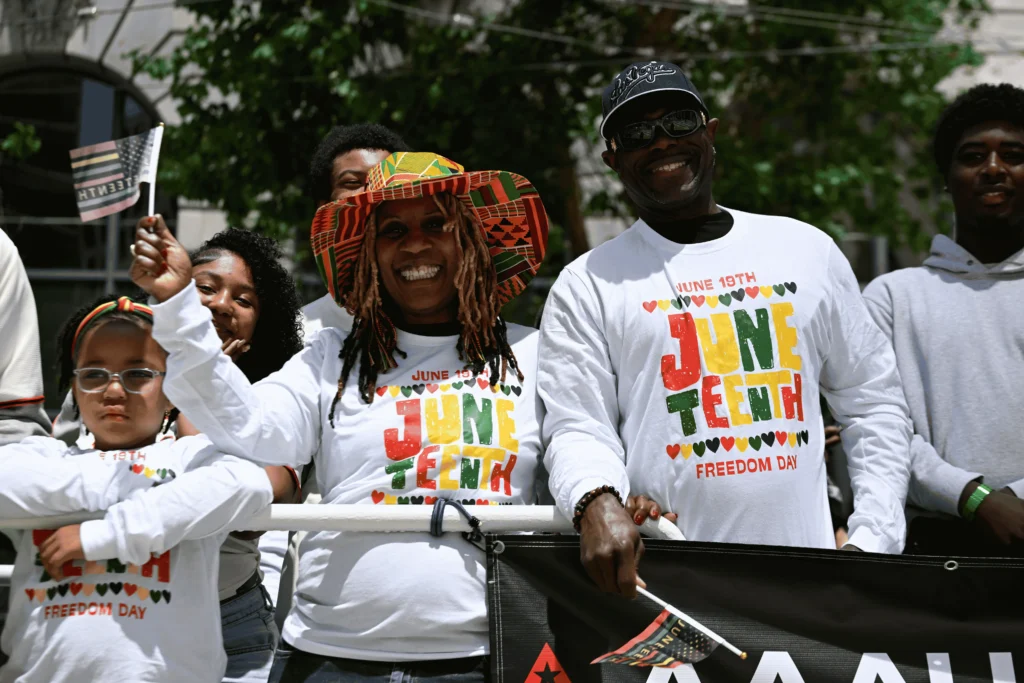
Join the museum’s Juneteenth celebration – during the entire month of June – and embrace the rich history of Freedom Day each week.
“The people of Texas are informed that in accordance with a Proclamation from the Executive of the United States, all slaves are free. This involves an absolute equality of rights and rights of property between former masters and slaves, and the connection heretofore existing between them becomes that between employer and hired laborer.”Gordon Granger
Union General, June 19, 1865
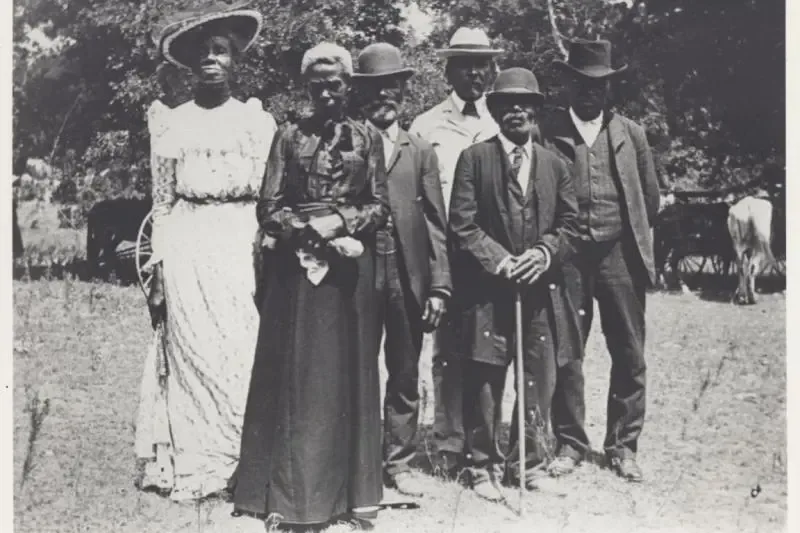
The Historical Legacy of Juneteenth
Juneteenth is an often overlooked event in our nation’s history. On June 19, 1865, Union troops freed enslaved African Americans in Galveston Bay and across Texas some two and a half years after President Abraham Lincoln signed the Emancipation Proclamation.
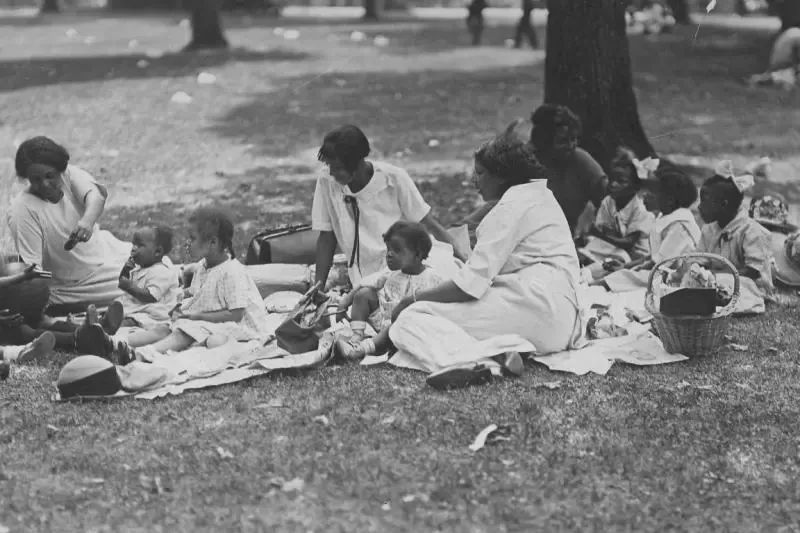

The First Juneteenth
On June 19, 1865, nearly two years after President Abraham Lincoln emancipated enslaved Africans in America, Union troops arrived in Galveston Bay, Texas with news of freedom. More than 250,000 African Americans embraced freedom by executive decree in what became known as Juneteenth or Freedom Day. With the principles of self-determination, citizenship, and democracy magnifying their hopes and dreams, those Texans held fast to the promise of true liberty for all.
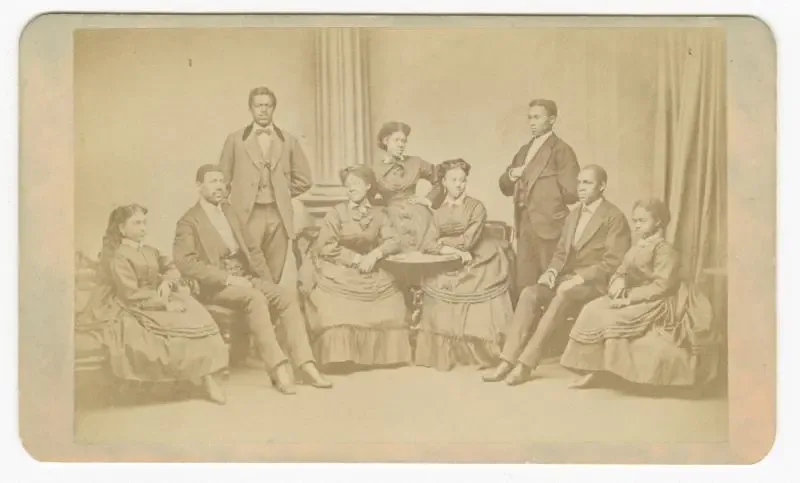
Emancipation and Educating the Newly Freed
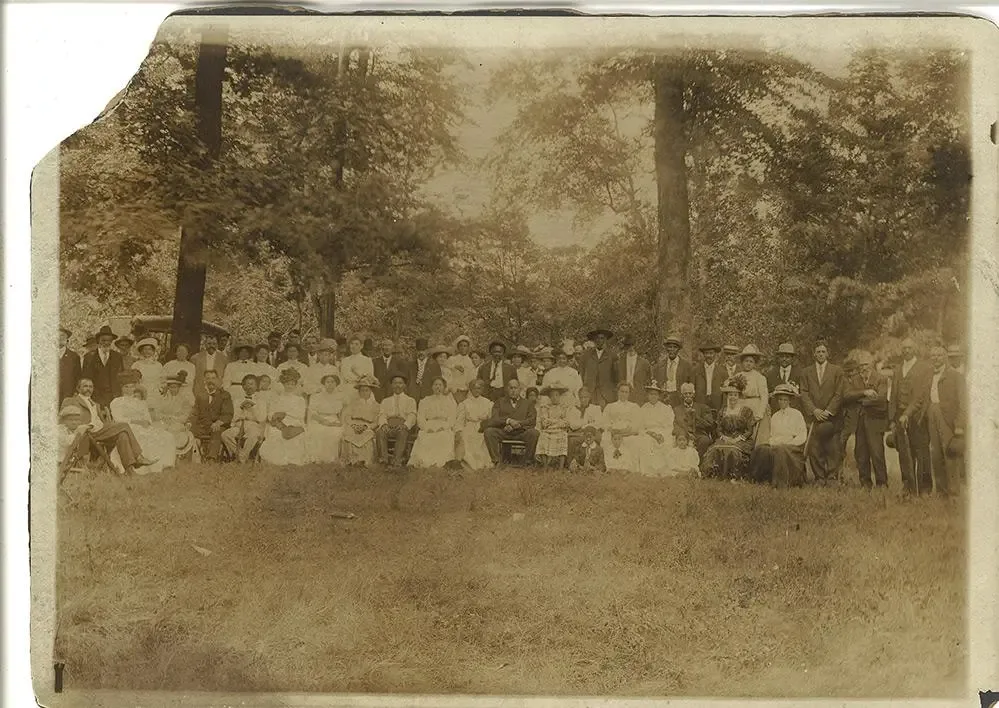
For the nearly four million newly freed, education was a crucial first step to becoming self-sufficient. Between 1861 and 1900, more than 90 institutions of higher education were founded for African Americans.
A Freedom Deferred
With the end of slavery, searching for family members who had been separated or sold away became the focus of many formerly enslaved individuals. The number of years of separation did not deter people from hoping to reunite with lost loved ones. Newspaper advertisements, letters and word of mouth were all employed as part of the search. The hope was that a positive response might lead to a reunion with family members.
Office of Sub Asst. Comr. Bur. R.F. & A.L.
sixth Sub District of Texas
Columbus Tex June 12th 1867.
Lieut. J.T. Kirkman U.S.A.
Supt. of Education
Bur. R.F. & A.L.
Galveston Tex
Sir:
The freedpeople of this County are to celebrate the anniversary of their Emancipation
on Saturday June 24th. The schools of this District
will form a feature of the day’s enjoyment in making
short addresses + singing songs and hymns. It has been suggested that Prizes be
distributed on that day to those of the children
who have received the highest averages for good conduct and application to study.
Will the Bureau furnish these say 10 or 15 handsome Bibles and a
few other good Books for the occasion?
Very Respectfully
Your Obd’t Servt
Enon M. Harris
S.A. Comr.
Records of the Superintendent of Education for the State of Texas Bureau of Refugees, Freedmen, and Abandoned Lands, 1865–1870, Letters Received, Unregistered Letters Received
Tastes of Resilience
Explore the symbolism of red foods as a sign of resilience and joy. The color red is highly associated with the cultures that would’ve come through the later years of the TransAtlantic slave trade, which would have been Yoruba and Kongo. People from the Yoruba of Nigeria, Benin, and Togo; and the Kongo of Angola, the Democratic Republic of the Congo, the Republic of Congo and Gabon—placed great philosophical and spiritual value in the color red as it symbolizes sacrifice, transition and power.
Sounds of Freedom
Celebrate the ways slaves sung their way to freedom. Highlighting songs of survival and negro spirituals. Listen to music that symbolizes hope, joy and perseverance and honors Black Americans’ lives, legacy, resilience and self-sufficiency.
Celebrating Black Music Month
June is African American Music Appreciation Month. Created by President Jimmy Carter in 1979, this month celebrates the African American musical influences that comprise an essential part of our nation’s treasured cultural heritage.

Juneteenth Today
In 2021, Juneteenth was established as a federal holiday, opening it to symbolic and global interpretation and providing a better understanding of the evolution of our nation and its people. Juneteenth celebrations then, like now, recognize the ongoing fight for human rights and equality and are commemorated through family cookouts, faith services, musical performances and storytelling. Today, Juneteenth celebrates African American resilience and achievement, while preserving history and community traditions.

Juneteenth Community Day: Honoring Opal Lee and Celebrating 100 Years
Join us for a joyful Juneteenth Community Day honoring the life, legacy, and enduring impact of Ms. Opal Lee—affectionately known as the “Grandmother of Juneteenth”—as she celebrates her 100th birthday this year.
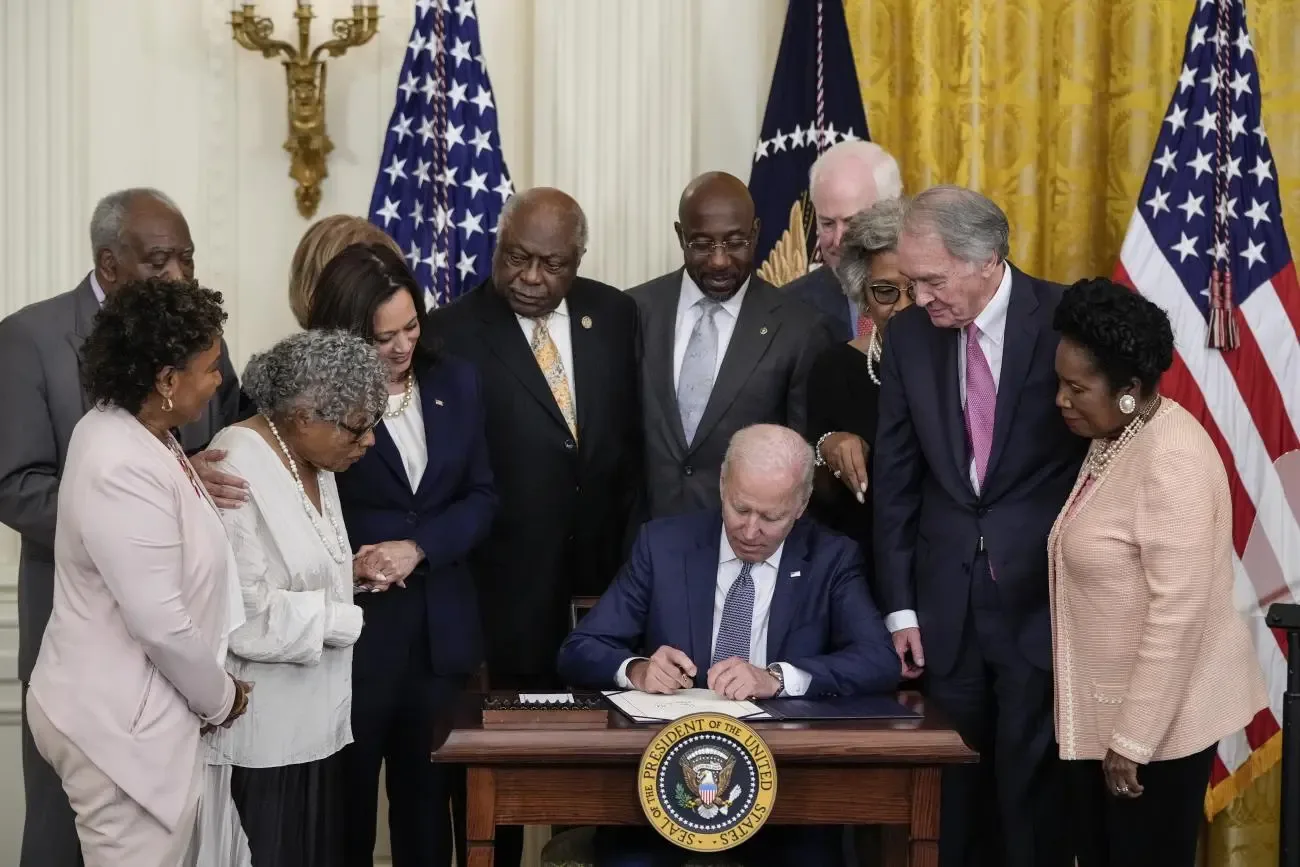
U.S. President Joe Biden signs the Juneteenth National Independence Day Act into law in the East Room of the White House on June 17, 2021 in Washington, DC. The Juneteenth holiday marks the end of slavery in the United States and the Juneteenth National Independence Day will become the 12th legal federal holiday — the first new one since Martin Luther King Jr. Day was signed into law in 1983.
Drew Angerer/Getty Images