
Picture this: You’re sitting at the breakfast table, maybe with a coffee in hand, eyeing a piece of toast or a bowl of cereal. For years, you’ve heard the same advice—eat your fruits and veggies, cut back on fat, go easy on the snacks. But today, as you reach your 60s, 70s, or beyond, the rules have changed. And so have you.
If you’ve wondered what really matters now, as your body and routine shift, you’re not alone.
In an honest, insightful conversation, Darleen, with the SeniorLivingGuide.com Podcast, sat down with veteran dietitian Lisa Johnson from Homestyle Direct and nutrition consultant Kelee Hansen to break down the latest USDA dietary guidelines and what they actually mean for older adults. The result? A refreshing—and sometimes surprising—update on what “healthy eating” really looks like later in life.
The Hidden Roots of Aging Well
Here’s what nobody tells you: The aches, the fatigue, the brain fog—so much of what we attribute to “getting older” is connected to nutrition. As Lisa Johnson pointed out, frailty, memory loss, and even risk of falls often have deep roots in what you do (and don’t) put on your plate. It’s about more than calories—it’s about every bite packing a punch.

Here’s the trick: As you age, total calorie needs go down. But your requirements for things like protein, certain vitamins, and hydration actually go up.
It’s counterintuitive, right? Less food, more nutrients needed. Every meal, every snack, suddenly matters a whole lot more.
Why Seniors Should Think Differently About Protein—and Breakfast
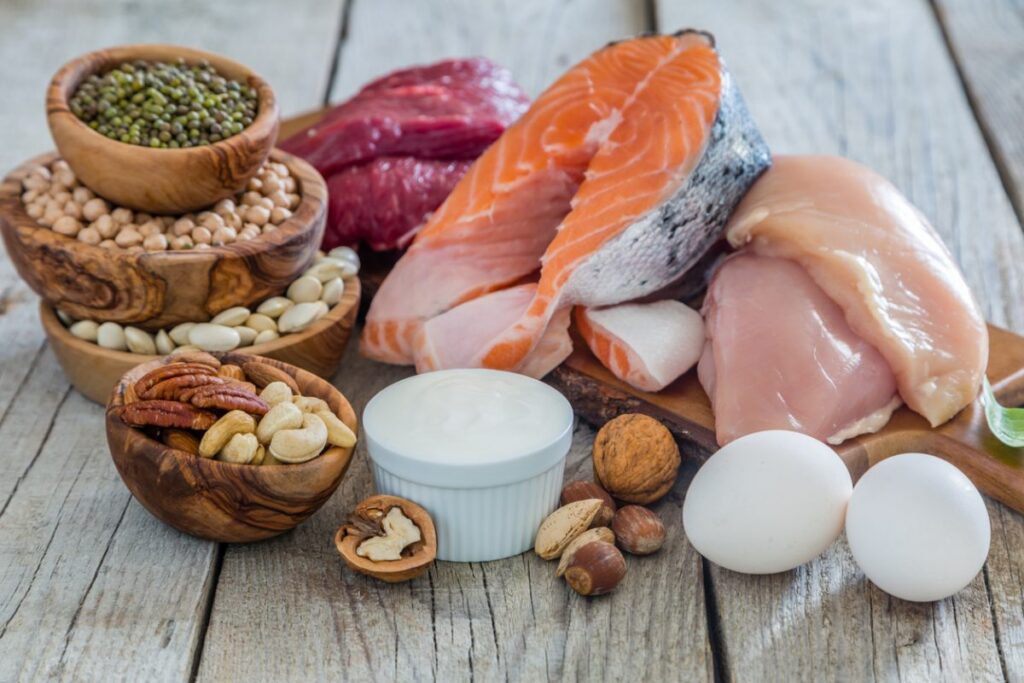
For years, breakfast has meant cereal, toast, maybe some fruit. But the new guidelines are clear: Protein matters, at every meal, and especially for those with diminishing appetites. It might be easy at dinner, but breakfast is often where protein gets left behind.
Here’s where it gets interesting: Beans for breakfast? Lentils in a taco? Greek yogurt with chia seeds? All good. Kelee Hansen shared, “I loved that in San Antonio, beans were served at breakfast. Now I do that at home sometimes.”
It’s not about sticking with what’s familiar—it’s about expanding what counts as a “protein” and mixing it up. Eggs, Greek yogurt, cottage cheese, and peanut butter—all are easy adds, and not just for hardcore health nuts.
Every Bite Counts When It Gets Harder to Eat
With slower metabolisms, reduced appetites, and sometimes less enjoyment of eating, seniors are, as Kelee put it, in a world where “every bite counts”. But what happens when grocery shopping, cooking, and even eating itself become more difficult—or just less fun, especially if you’re alone?
Life events—like losing a spouse or giving up driving—can chip away at the rituals and social aspect of mealtimes. Cooking for one can feel pointless. Eating alone, joyless. It’s not just about what you eat, but how, and with whom.
If you’re a caregiver or family member, this is your nudge: Invite your senior loved ones to your table. Make meals a social thing—even if that means FaceTime dinner dates or community center lunches.
Your New Nutritional Priorities: Protein, Produce, and Yes, Fiber
Let’s get concrete. The latest guidelines emphasize
- High-quality protein (think animal and plant-based, at every meal)
- Nutrient-dense foods (fruits, vegetables, whole grains)
- More vegetables (3 cups) and fruit (1.5–2 cups) per day
- Whole grains over refined grains (think brown rice, whole wheat bread, lentils and beans)
And here’s a big one: fiber. Lisa wasn’t shy about calling out that most older adults get “50% or less” of their daily fiber needs. 25–35 grams should be the goal—but go slow, and pair it with more water, or you’ll pay for it.
Want to boost your fiber? Add chia seeds to your yogurt, keep the skins on your fruits, explore lentils and beans, and go whole grain where you can.
The Unsung Hero: Hydration
Half of adults over 65 are at least partially dehydrated. Six to eight glasses of water (not coffee! not tea!) should be your daily standard. Hospitalizations climb with dehydration—so keep that bottle full and handy.
Micronutrient Musts: Beyond the Multivitamin
What else should you pay attention to?
- Vitamin B12 (brain health)
- Magnesium (brain and sleep health, found in nuts, grains, even dark chocolate)
- Calcium and Vitamin D (bone health)
- Essential fatty acids (don’t fear healthy fats—your brain and joints will thank you)
Lisa Johnson notes that magnesium in particular can be a game-changer for sleep. But rather than popping pills, she recommends adding magnesium-rich foods—nuts, whole grains, dark chocolate—to your diet naturally.
What to Minimize (But Not Obsess About)
Yes, you guessed it—sugar and sodium are on the watch list. But the advice is more practical than punishing:
- Check labels for “added sugar” (less than 10 grams per meal is the aim, but there’s wiggle room)
- Compare sodium content, especially in processed foods and snacks
- Focus on flavorful alternatives: herbs, spices, lemon juice, and vinegar can add depth without salt.
And that flavored yogurt? Go for Greek (double the protein!) and add your own fruit to dodge much of the sneaky sugar.
Rediscovering Joy in the Rituals of Eating
Here’s a truth that gets lost in a world of nutrition labels and divided plates: Food isn’t just fuel. It’s one of life’s pleasures, and that doesn’t change with age.
Kelee reminds us, “Even if it seems like a chore or mundane, mix it up and keep it interesting. Our food is something we can look forward to while nourishing ourselves.”
What We Learned About Eating Well After 60
If you’re noticing that food isn’t as simple as it once was, that’s not your imagination. Your body, your needs, and your routine are all changing. But eating well doesn’t have to be overwhelming.
- Build every meal around protein and plants
- Hydrate more than you think you need
- See eating as a social and joyful experience, not a duty
- Minimize sugar and salt, but don’t make food the enemy
- Change your habits gradually—especially with fiber
- Explore new foods and flavors as an adventure
Most of all: Don’t eat alone, if you can help it. The best meals are shared—even if just over a phone call or at a community lunch table.
Let go of the “shoulds,” and meet yourself where you are. Because aging well isn’t about eating less—it’s about making every bite, sip, and moment count.
If this conversation resonated with you, listen to the podcast episode: How Much Protein Do I Really Need After 60? Your next chapter at the table starts now.